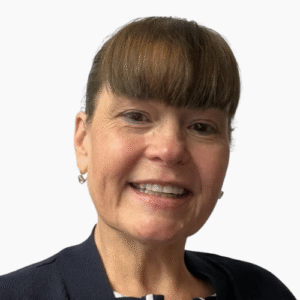
Celeste Brantolino
Senior Director Learning & Development Exela Pharma Sciences
Celeste Brantolino is a strategic learning leader committed to building agile, future-ready workforces. As Senior Director of Learning & Development at Exela Pharma Sciences, she oversees enterprise learning strategy, leadership development, and technical training initiatives that align talent capability with business growth in a highly regulated manufacturing environment.
Throughout her career, Celeste has partnered with world class organizations including Schneider Electric, Walt Disney World, Vertiv, Tyson Foods, RTI International, the U.S. Agency for International Development, and Sodexho-Marriott to identify critical learning needs and design scalable, results-driven solutions.
At Exela, Celeste has leveraged the DACUM (Developing a Curriculum) methodology to create a blueprint for agility—mapping skills and competencies to rapidly shifting business demands. This approach has reduced time to competency by up to 60% while fostering a more adaptive, cross-functional workforce ready to meet emerging challenges with confidence.
With more than two decades of experience spanning higher education, instructional design, and corporate learning, Celeste brings both strategic vision and hands-on expertise in competency modeling, instructional systems design, and modern learning technologies.
Seminars
- Diagnosing skill gaps in pharma production and quality roles by engaging high-performing employees and supervisors in DACUM sessions to decode real job functions and define the precise skills, knowledge, and behaviors needed for success in GMP-regulated environments
- Remapping training for speed, compliance, and precision through DACUM-generated skill blueprints, translated into targeted learning maps linked to microlearning and on-the-job evaluation, with L&D, operations, and QA collaborating to ensure alignment with pharmaceutical standards
- Driving measurable impact and future readiness by reducing time to competency by 40–60%, improving training consistency and internal mobility, and laying the groundwork for AI-driven skill profiling and strategic workforce planning in pharma manufacturing
- What strategies help organizations move from ad-hoc training to structured skills academies aligned with workforce planning and production needs?
- How can DACUM and similar methodologies accelerate competency while ensuring compliance and precision in regulated environments?
- What role do external partnerships, apprenticeships, and advanced training centers play in building sustainable talent pipelines?
- How can organizations measure the ROI of skills academies and competency frameworks beyond speed, such as retention, mobility, and operational resilience?